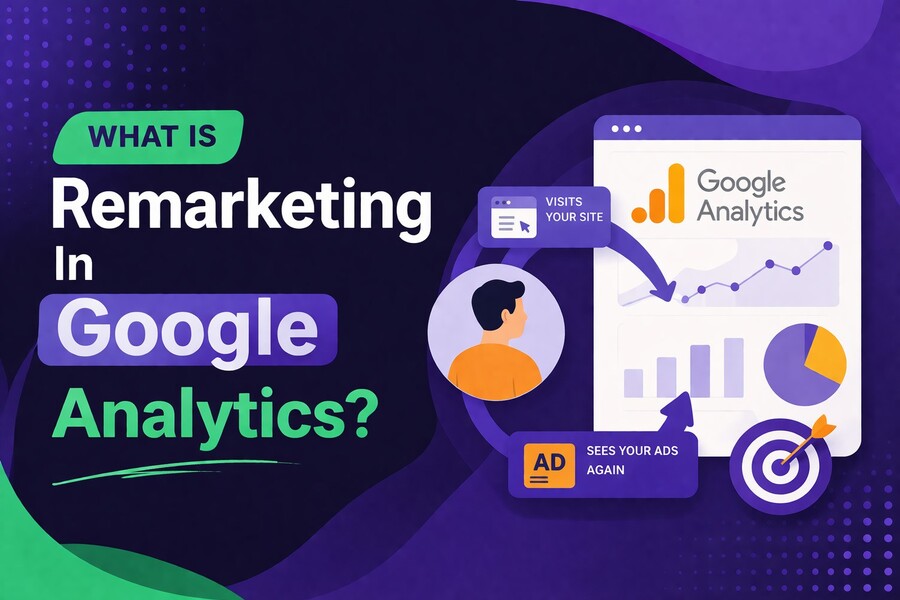
If you want more value from the traffic you already earn, you need to understand what is remarketing in Google Analytics and why it matters. Most people do not buy, call, or sign up on their first visit, so your first touch often starts the decision-making process rather than ending it.
This article shows you how Google Analytics helps you identify those visitors, group them into useful audiences, and support smarter follow-up campaigns that improve relevance, lower waste, and raise your chances of conversion.
What Remarketing In Google Analytics Means
What is remarketing in Google Analytics? It is the process of using visitor behavior data to create audience lists, then showing tailored ads to those users after they leave your website. Instead of treating every past visitor the same way, you use Analytics to separate people by actions, interests, traffic source, device, location, or progress toward conversion.
That matters because your lost visitors are not all equally valuable, and broad retargeting usually wastes money on weak intent. The logic of grouping people by behavior is simple and practical, much like how you can improve your word puzzle skills with Custom Wordle by adjusting the challenge and learning from each round. In the same way, remarketing becomes stronger when you refine your audience rather than repeating the same message to everyone who has visited your site.
How Google Analytics Builds Remarketing Audiences
Google Analytics builds remarketing audiences by collecting data from real visits and turning those visits into usable segments. You can create audiences from product viewers, cart abandoners, repeat visitors, users from specific states, or visitors who completed one action but skipped another. That gives you much more control than a one-size-fits-all campaign because your message can match what each group already knows.
For example, a visitor who viewed pricing pages needs a different ad than someone who only read a blog post. Audience design works best when you sort behavior carefully, and the same pattern-based thinking appears in pages like what are the different types of puzzles, where classification helps you understand how different formats work before you choose one. In remarketing, that same discipline helps you separate low-intent curiosity from high-intent buying signals, which makes your budget work harder.
Why Remarketing Matters For Your Marketing Budget
Remarketing matters because first visits rarely produce your best results, especially when buyers need time to compare options, prices, and trust signals. In many industries, users visit several pages, leave, and return later through another channel before they finally convert. When you use remarketing well, you keep your brand visible during that delay instead of losing the opportunity to a competitor.
It also improves efficiency by spending ad dollars on people who already know your business, which often leads to higher click-through rates and better conversion potential. Smart segmentation changes performance because structure changes outcomes, and that idea is easy to understand when you learn what is it called when you scramble a word to make another, where a small shift in arrangement creates a new result. Remarketing works the same way, since a small change in audience definition or ad message can produce a much stronger return from the same traffic base.
What Data Can You Use To Segment Visitors
The real strength of Google Analytics remarketing is not the tag alone, but the depth of audience signals you can use. You can segment by page views, session duration, device category, geography, traffic source, new versus returning users, completed goals, and paths users followed before leaving. That means you can stop sending the same generic reminder to every past visitor and start building more precise, useful campaigns.
A user who added a product to the cart but never checked out shows stronger intent than someone who bounced after ten seconds, so those two people should not see the same follow-up ad. You can also create audiences based on content themes, such as visitors who read educational pages, comparison pages, or service pages, and tailor the next message to that stage of interest. When you do this consistently, remarketing stops being simple ad repetition and becomes a structured response to real behavior.
Types Of Remarketing You Can Support
When people ask what is remarketing in Google Analytics, they often imagine only display ads following users around the web. Display remarketing is important, but the concept is broader, as your audience lists can also support search, YouTube, Discovery, Gmail, and dynamic remarketing strategies within Google Ads. The audience logic starts in Analytics, while the delivery can expand across several Google surfaces.
Standard remarketing shows general ads to past visitors, while dynamic remarketing shows users the specific products or services they viewed before leaving. That distinction matters because dynamic campaigns usually feel more relevant for ecommerce, while standard remarketing works well for lead generation, local services, and longer sales cycles. If you understand the difference, you can choose the right format based on how your customers research and how much product-level detail your campaigns need.
How To Set Up Remarketing Correctly
A clean setup starts with linking Google Analytics and Google Ads so that audience data can flow where it needs to. You also need the right data collection settings, proper tagging through the Google Tag or Google Tag Manager, and clear audience definitions based on actions that matter to your business. If the setup is messy, your lists will fill with weak signals, and your campaign decisions will become less reliable.
Essential Setup Steps
First, confirm that your tags are firing correctly and that your site is collecting the events, page views, and conversions you plan to use in audience building. Next, create audiences based on meaningful behaviors, such as pricing-page visitors, cart abandoners, repeat visitors, or users who reached lead forms but did not submit them. Finally, push those audiences into Google Ads, where you can align messaging, bids, and campaign structure with the exact user type you want to win back.
Audience Duration, Thresholds, And Timing
Timing has a direct effect on remarketing performance because not every audience should stay active for the same length of time. Some users need a reminder within days, such as abandoned-cart shoppers, while others may remain valuable for weeks or months, such as enterprise buyers or high-consideration service leads. Google’s systems also apply list-size thresholds before certain campaigns can serve, so audience quality and audience volume both matter.
Membership duration should match the buying cycle, not default to a number you never revisit. A short decision cycle often benefits from tighter windows and faster follow-up, while long research cycles may justify keeping people on a list for much longer to keep your brand visible during comparison. When you match duration to intent, your campaigns feel timely rather than repetitive, and that helps protect both performance and user experience.
Privacy, Compliance, And Data Responsibility
Remarketing is powerful, but it also requires responsible data use and clear disclosure. Your privacy policy should explain that your business uses remarketing, that third-party vendors may show ads based on previous site visits, and that cookies or similar technologies may support audience building and ad delivery. This is not just a compliance detail; transparency helps protect trust as your campaigns scale.
You should also be realistic about limitations in your data. Some users block scripts or restrict tracking, which can affect audience sizes and reporting, even when your setup looks correct. Strong marketers treat remarketing data as directionally useful, not magically perfect, then combine it with testing, landing page improvements, and better offers to create reliable growth.
Common Mistakes That Weaken Results
One of the biggest mistakes is creating audiences that are too broad, then writing ads that say almost nothing. If everyone from quick bouncers to near-buyers gets lumped into the same list, your message loses relevance, and your click quality usually suffers. Another common mistake is sending people back to generic pages instead of matching the landing page to the behavior that placed them in the audience.
Frequency is another problem because repeated impressions can become wasteful when the message never changes. You should refresh creative, exclude converted users when appropriate, and adjust audience windows when campaigns feel stale or overly aggressive. Good remarketing does not pressure people blindly, since it supports the next logical step in their buying process with better timing, sharper relevance, and clearer intent.
How To Improve Conversion Rates With Better Remarketing
Better remarketing starts with better questions about visitor behavior. Which pages signal strong buying intent? Where do users hesitate? Which devices convert poorly? And which audience segments need proof instead of discounts? When you answer those questions, your remarketing becomes a continuation of user intent rather than a separate campaign running in the background.
You should also test message angle, offer type, and destination page instead of assuming the audience alone will carry performance. A pricing-page visitor may respond to reassurance, such as testimonials or guarantees, while a cart abandoner may need urgency, shipping clarity, or an easier checkout path. When you connect analytics insights to creative choices and landing-page structure, remarketing becomes one of the most efficient ways to turn missed first visits into measurable revenue.
Conclusion
Now you can answer the question what is remarketing in Google Analytics with confidence. It is a data-driven way to reconnect with people who have already shown interest, using audience segmentation to deliver more relevant ads across the Google ecosystem. When you define audiences carefully, respect timing, maintain clean tagging, and match your message to user intent, you give your business a stronger chance to recover lost opportunities.
The biggest win is not simply bringing people back, but bringing back the right people with the right message at the right time. That approach improves relevance, boosts conversion rates, and helps you get more value from traffic you've already paid for or worked hard to earn. If you treat remarketing as a strategic extension of user behavior instead of a generic ad tactic, it can become one of the most dependable parts of your digital marketing system.