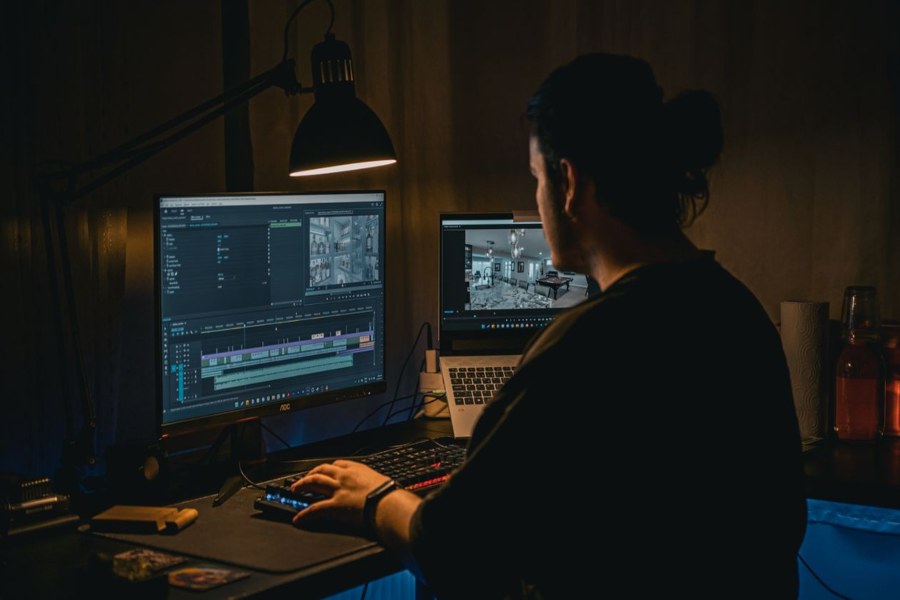
Animation and motion content used to mean a real production pipeline, character rigging, keyframe animation, scene composition, and a timeline measured in days or weeks rather than hours. That's changed considerably as AI video tools have matured, and platforms such as Higgsfield has option of AI Video Generator which are now a real part of how creators, marketers, and small studios produce animated and motion driven content without the traditional production overhead that used to make this kind of work slow and expensive.
This isn't a story about AI replacing animators. It's about how much of the technical execution, rendering, motion generation, scene composition, can now happen without a full traditional pipeline, freeing up time for the parts of animation that still genuinely require human judgment, pacing, story, and creative direction.
Why Has Animation and Motion Content Demand Grown So Much?
Video and motion content now shows up everywhere a brand or creator needs to communicate: product explainers, social content, training material, pitch decks, ads. That's a much wider set of touchpoints than animation was traditionally used for, and traditional production pipelines, built around fewer, longer projects, were never designed to keep up with that volume. This is the exact gap that led many creators and small studios to Higgsfield in the first place.
At the same time, audiences increasingly expect motion over static content. A product explainer with animated visuals communicates faster than a wall of text, and a moving social post tends to hold attention longer than a still image. That combination, more places needing motion content and audiences expecting it, is what's actually driving adoption of AI video tools, not novelty for its own sake.
What's Actually Different About AI Video Tools Now Compared to a Few Years Ago?
Early AI video generation was mostly a curiosity, short, often strange looking clips that were more demo than deliverable. What's changed is consistency and control. Modern AI video platforms handle character and scene consistency across multiple shots far better than earlier tools did, which matters enormously for anything resembling actual storytelling rather than a single disconnected clip.
This shift toward consistency and control is also why the space has gotten genuinely useful for real production work: marketing videos, explainer content, social animation, and early concept drafts for larger projects, rather than just novelty generations.
What Is an AI Video Generator, and What's Different About Higgsfield Specifically?
An AI video generator takes a prompt, a script, or a reference image and produces finished motion content, camera movement, animation, and scene composition included, without a traditional animation pipeline. This is a genuinely crowded category at this point, with several platforms offering some version of text-to-video and motion control. Higgsfield's specific approach is giving access to multiple leading video models in one workspace, including Kling 3.0, Veo 3.1, Sora 2, and Seedance 2.0, plus specialized features like ai face swap for character consistency, rather than locking users into a single model's particular style and limitations.
How Are Creators Actually Using AI Video Tools for Animation and Motion Content?
The use cases are practical, tied to real production needs, and a growing number of them involve some form of ai face swap once a project needs more than a single disconnected clip.
● Early concept and pitch drafts, turning a script or storyboard into a rough moving version quickly enough to test an idea before committing to full production.
● Marketing and explainer videos, producing animated content for product pages, social platforms, and ads without a dedicated production cycle for each one.
● Motion graphics for social content, keeping a consistent visual presence across platforms that increasingly reward video over static posts.
● Filling production gaps, generating a missing transition or supporting shot when a full traditional animation pass isn't feasible on a tight timeline.
● Keeping a consistent character or presenter across a project, using ai face swap to maintain the same face or character across scenes generated at different times, which matters for anything with a recurring character or spokesperson.
● Fixing a take that didn't quite land, using ai face swap to pull a better expression or moment from an alternate generation rather than regenerating an entire scene from scratch.
Between these use cases, most creators end up relying on tools like Higgsfield for a meaningful share of ongoing production rather than treating AI generation as an occasional shortcut.
Does AI Video Generation Actually Understand Story and Pacing?
Not really, and this is worth being direct about rather than overselling. AI video tools are genuinely strong at motion generation, scene composition, and iteration speed. They're still weak at the things that make animation actually work as storytelling: pacing, emotional timing, and narrative flow that holds together across a full sequence rather than just looking interesting shot by shot. Creators who've tested this consistently report the same pattern, individual generated clips can look impressive, but stringing them into something with real narrative rhythm still takes human judgment, whether the underlying generation used a base model or leaned on ai face swap for a recurring character.
That's exactly why the most effective use of these tools right now is as a production layer underneath human creative direction, not a replacement for it. The person deciding what a scene needs emotionally and how it should be paced is still doing work no AI tool handles well yet.
What Should Someone Look for in an AI Video Tool for Animation Work?
Not every AI video tool is built the same way, and the differences matter once real projects depend on the output.
Consistency Across Multiple Shots, Not Just One Clip
A single impressive generated clip is easy. Producing a sequence of shots that all clearly belong to the same project, same character, same visual style, is the harder and more valuable problem. Higgsfield's Cinema Studio gives control over camera angle, lens, and motion before generation, and the first and last frame reference feature locks a starting and ending point so a sequence holds together rather than drifting between shots. The ai face swap feature extends that same consistency to a specific character or presenter's face across the whole sequence.
Access to Multiple Models for Different Content Types
A product explainer, a stylized social clip, and a talking presenter segment each benefit from different underlying model strengths. Higgsfield's access to Kling 3.0, Veo 3.1, Sora 2, and Seedance 2.0 in one workspace means switching between them for different content types without learning or paying for separate tools, and ai face swap works consistently across all of them regardless of which model generated the underlying footage.
A Workflow That Supports Iteration, Not Just One-Shot Generation
Since the real value of these tools shows up in testing and refining ideas quickly, a workflow that supports generating several variations in one sitting matters more than any single polished demo clip. This is where a full workspace like Higgsfield tends to earn a permanent place in a production process, since ai face swap and other consistency tools work across an entire batch rather than requiring a separate setup each time.
Where Does Higgsfield Fit Into an Animation and Motion Content Workflow?
Higgsfield functions as a full creative workspace rather than a single-purpose clip generator, which matters for anyone handling concept drafts, marketing content, and social motion graphics across the same project. The edit-any-video feature lets a creator upload existing footage or a rough draft and adjust style or fix details without a full re-render, useful for refining a concept that's mostly working rather than starting over.
For projects built around a recurring character or presenter, whether that's a brand spokesperson, an animated character, or a consistent on-camera presence, ai face swap keeps that face or character recognizable across scenes generated at different times, which matters when a project's various shots aren't all produced in a single session. This becomes especially useful on longer projects where a character needs to appear consistently across dozens of shots generated over several weeks rather than one continuous session. Higgsfield also offers a free tier to start, which is typically how a creator or small team ends up testing the workflow on a real project before deciding whether it becomes a permanent part of their production process.
AI Video Generation vs Traditional Animation vs Template-Based Tools
|
Approach |
Best For |
Production Speed |
|
AI video generation |
Concept drafts, marketing content, motion graphics |
Fast |
|
Traditional animation pipeline |
Complex narrative sequences, high-end production |
Slow, resource intensive |
|
Template-based animation tools |
Simple, formulaic explainer content |
Fast, but limited creative range |
What Are the Risks of Relying Too Heavily on AI Video Tools for Animation?
The clearest risk is content that technically looks fine but lacks the narrative rhythm and emotional pacing that make animation actually work as storytelling. A sequence of individually impressive AI generated clips strung together without real directorial judgment tends to feel disjointed rather than cohesive.
A second risk is overusing ai face swap or a single generation style across an entire project, which can flatten what should be a distinct creative identity into something that looks interchangeable with any other AI generated content. Used deliberately, to solve specific production problems rather than replace creative decisions entirely, Higgsfield and tools like it support a stronger final result instead of a more generic one.
Frequently Asked Questions
Can AI video tools fully replace a traditional animation pipeline?
Not for complex narrative or high-end production work, where pacing, emotional timing, and directorial judgment still genuinely matter more than any AI tool currently handles. For concept drafts, marketing content, and social motion graphics, including projects that lean on ai face swap for a consistent recurring character, AI video generation is increasingly a legitimate production method on its own.
Will content made with ai face swap look obviously synthetic?
Not if it's used to solve a specific consistency problem, like keeping a recurring character's face the same across scenes shot or generated at different times in Higgsfield or a comparable tool, rather than to invent something that doesn't hold together with the rest of the project.
Do I need animation experience to use an AI video generator?
No. The learning curve is closer to writing a clear script or prompt than learning traditional animation software. This applies whether someone is generating a full scene or making a targeted fix with ai face swap. The harder part is still creative judgment, knowing what a scene actually needs, which AI doesn't replace.
How much does it cost to start using an AI video generator for animation work?
Higgsfield offers a free tier to start, which is typically enough to test a real concept or project, including a first attempt at ai face swap for a recurring character, before deciding whether a paid plan fits an ongoing production workflow.
Final Thoughts: Is AI Video Generation Ready for Real Animation Work?
For the specific slice of animation and motion content that used to force a choice between an expensive full production or skipping video entirely, concept drafts, marketing content, social motion graphics, AI video tools have become a genuinely practical option rather than a novelty. An AI Video Generator like Higgsfield's fits that gap well, offering multiple model access, shot-to-shot consistency, and character continuity through ai face swap, without pretending to replace the narrative judgment that complex animation work still requires. Whether a project needs one clip or a full sequence, the tools now exist to close a real production gap rather than just demonstrate a technical trick.